
Mooring & Anchor Ropes
Mooring and anchor lines play a crucial role in securing your boat. They ensure that your boat remains safely moored at the quay or pier in all weather conditions. Our mooring lines are made from high-quality materials like polyamide, multifilament, and polyester. Thanks to their superior craftsmanship, they are highly elastic and extremely resistant to abrasion, allowing for reliable use in any situation.
More information about mooring and anchor lines
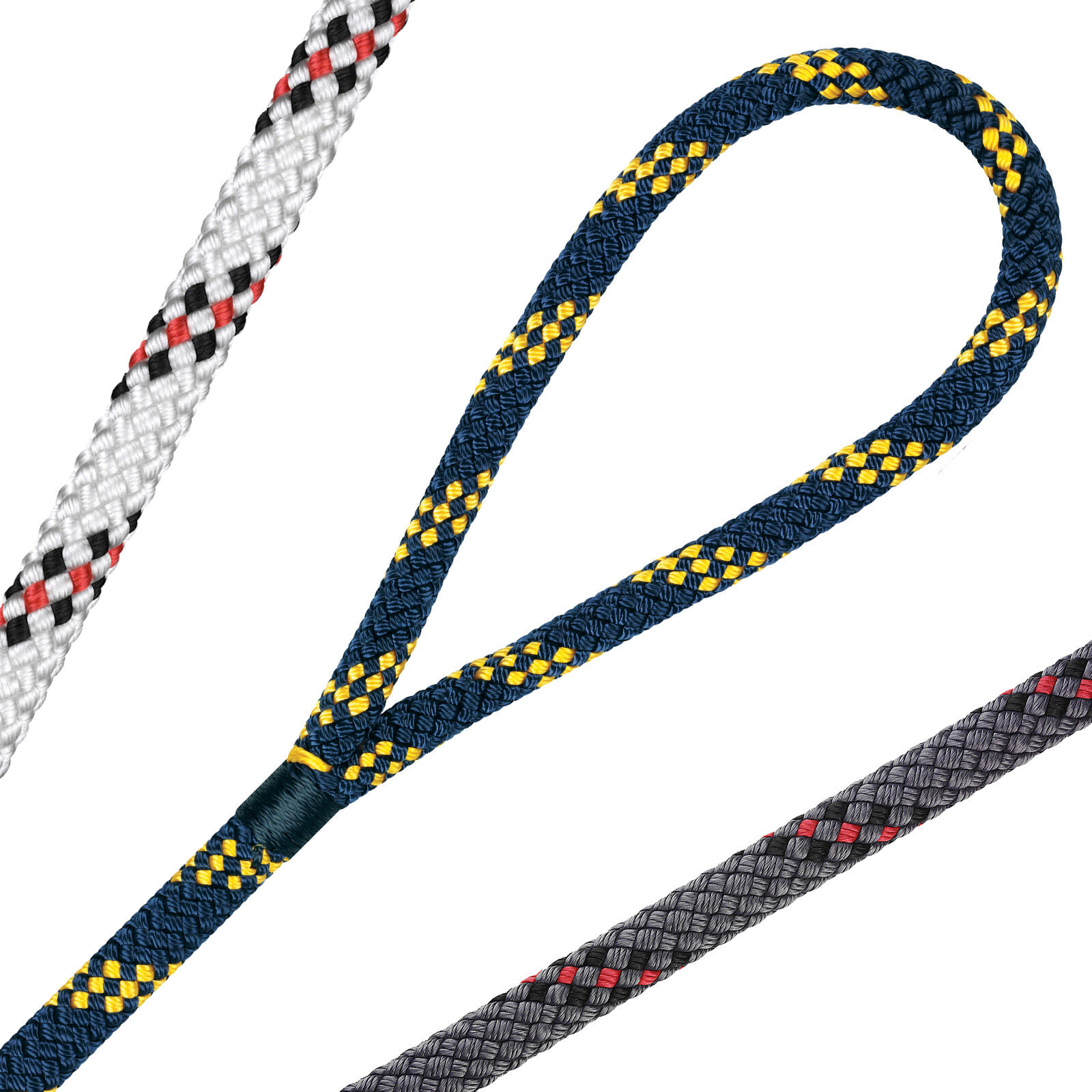


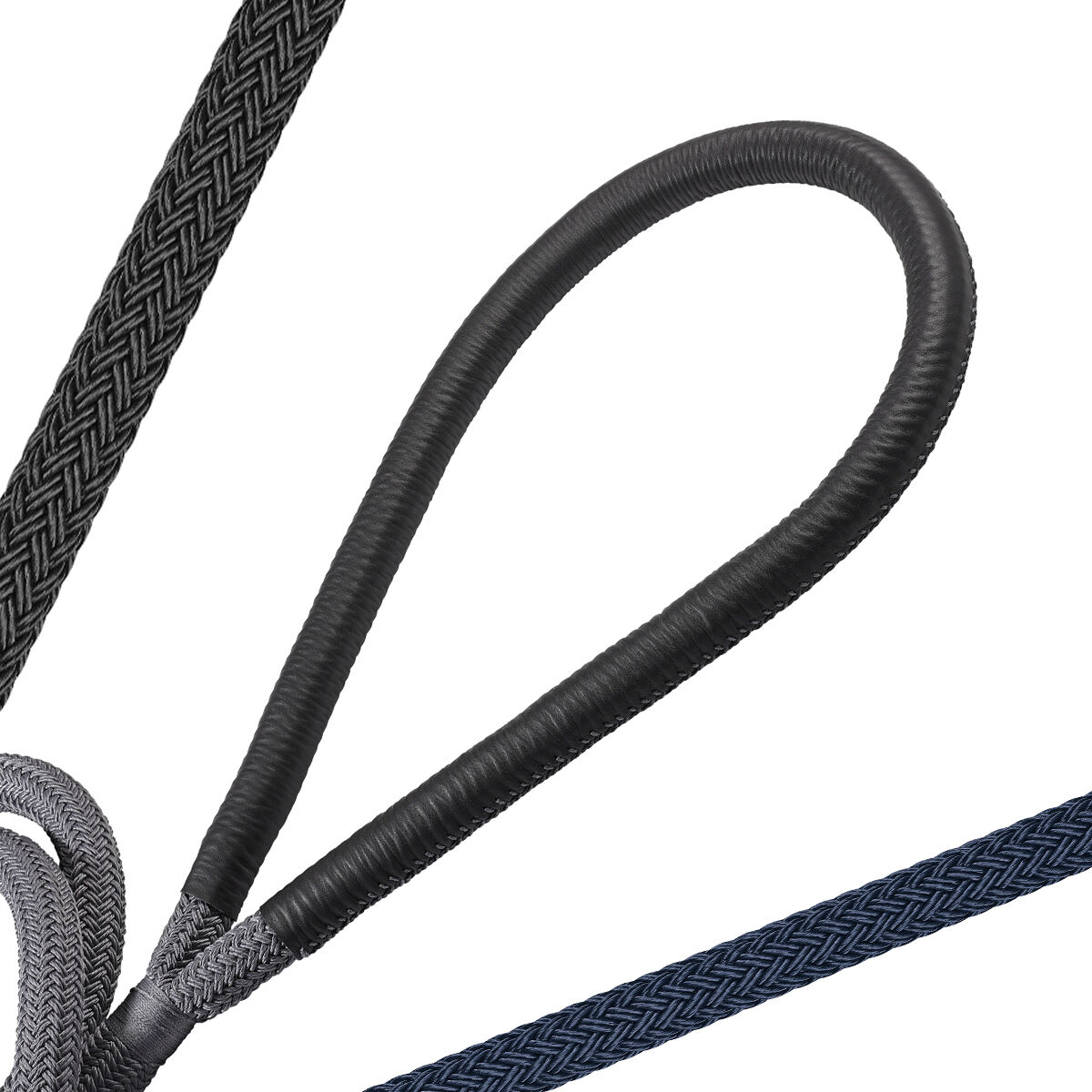


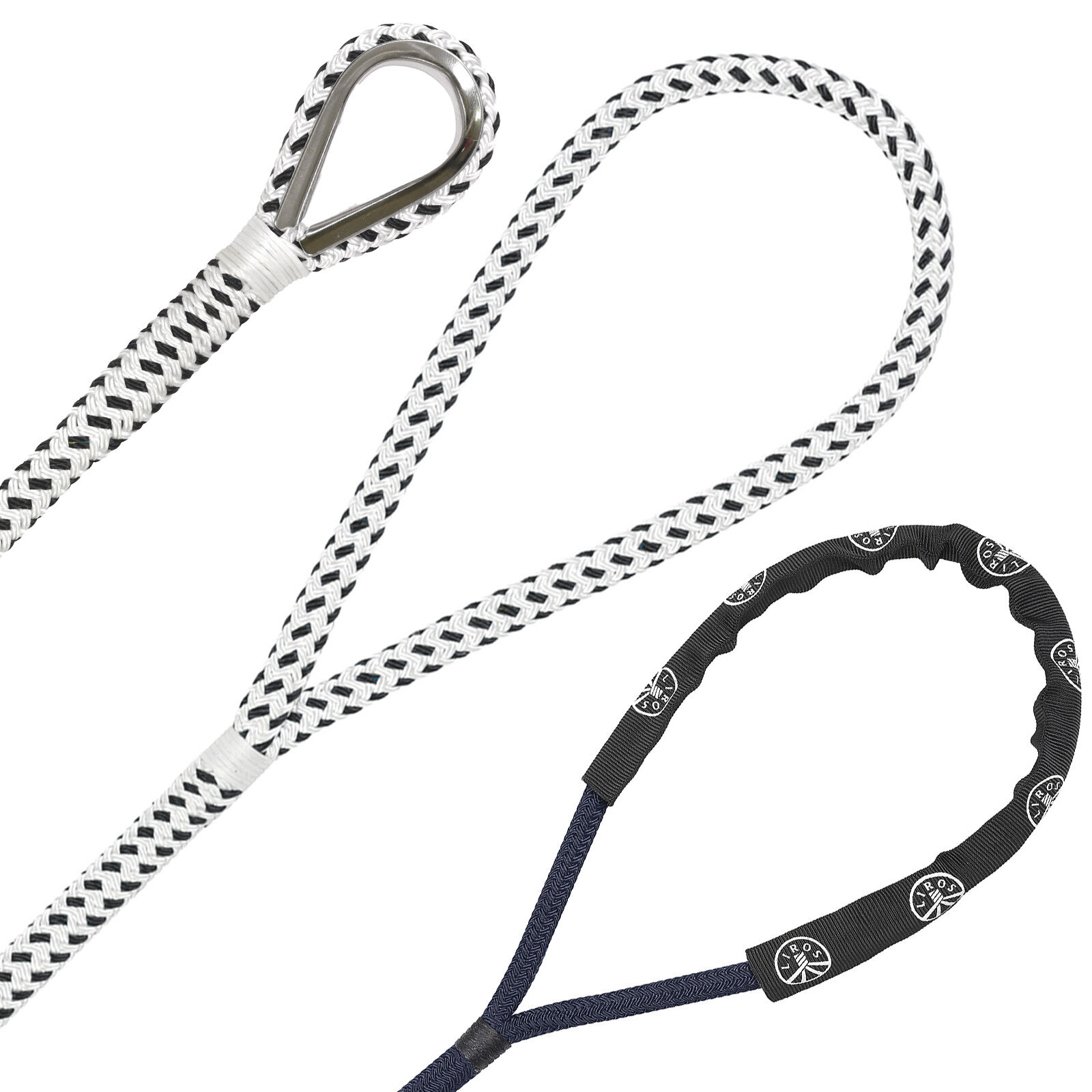


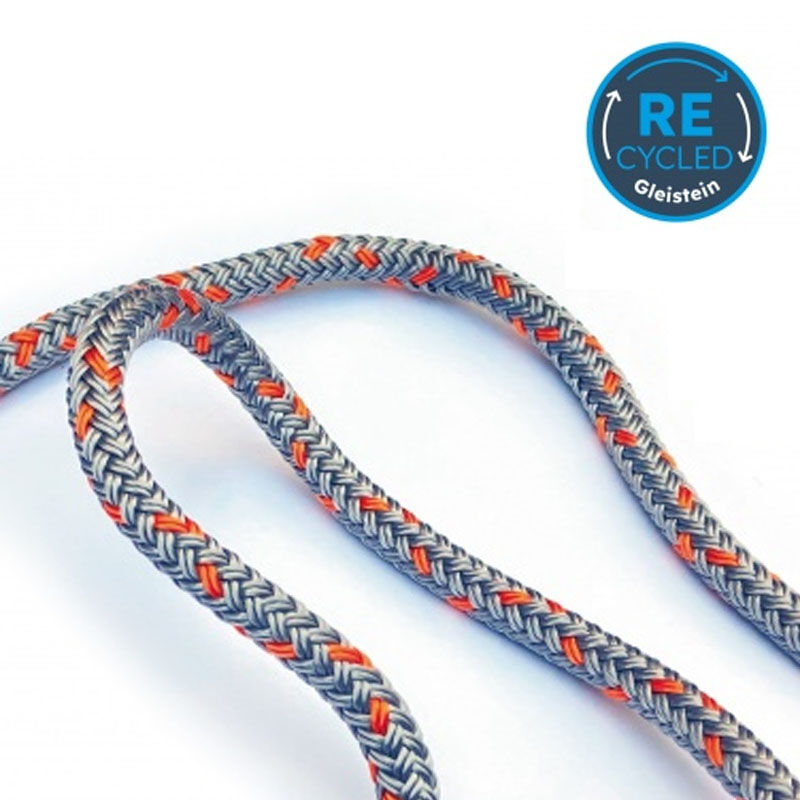


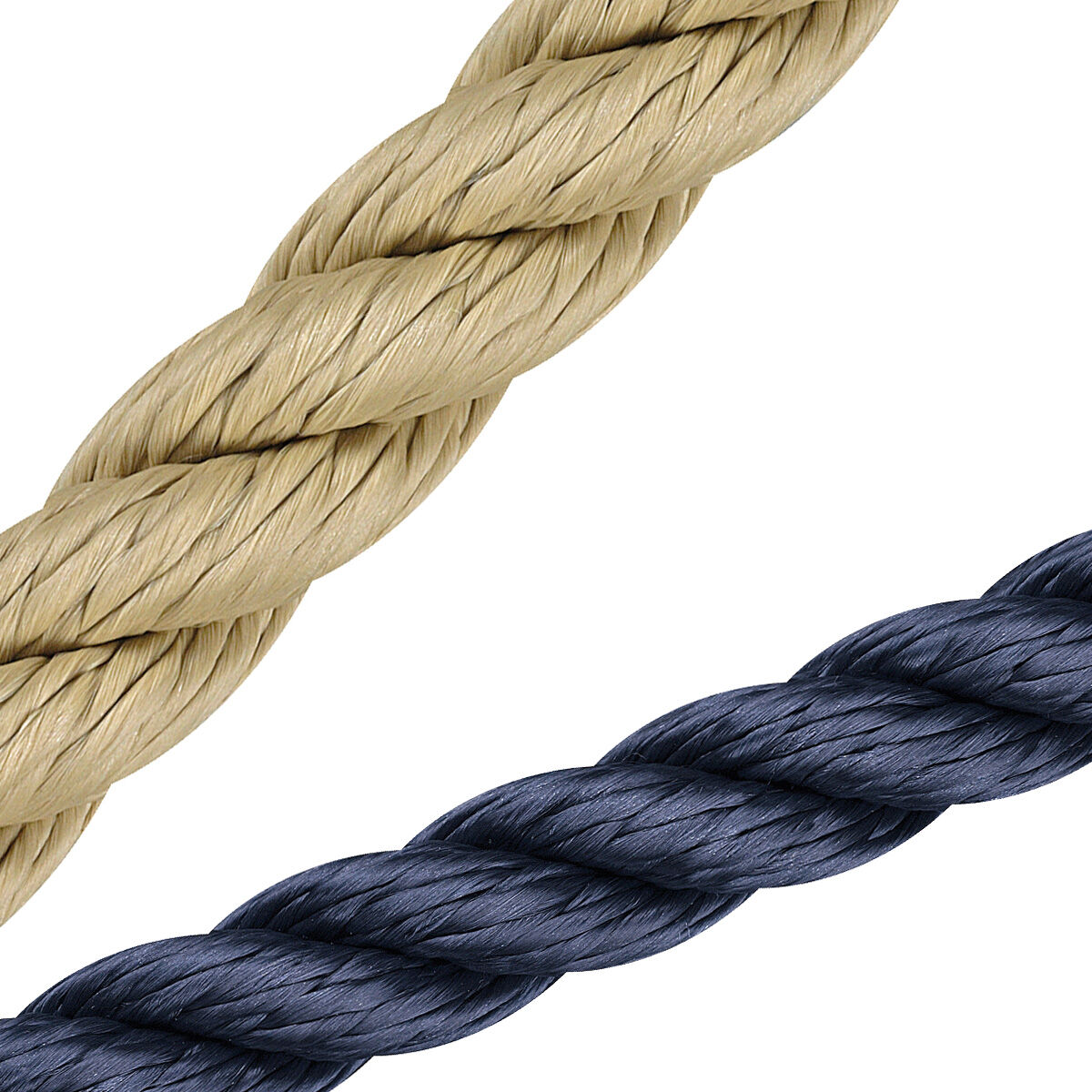
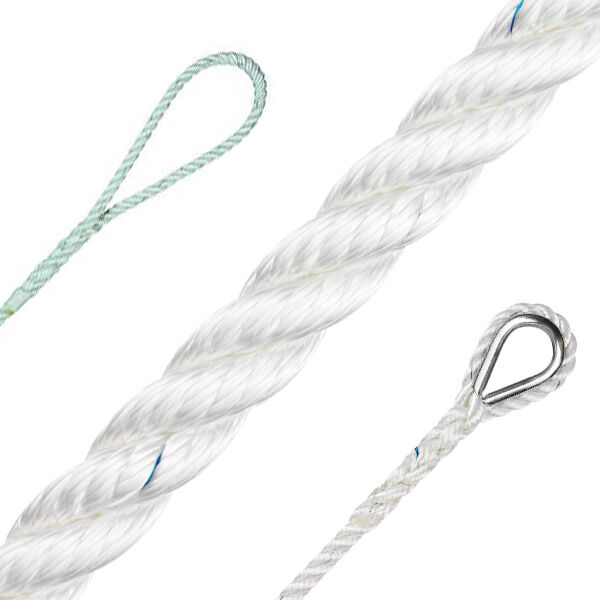
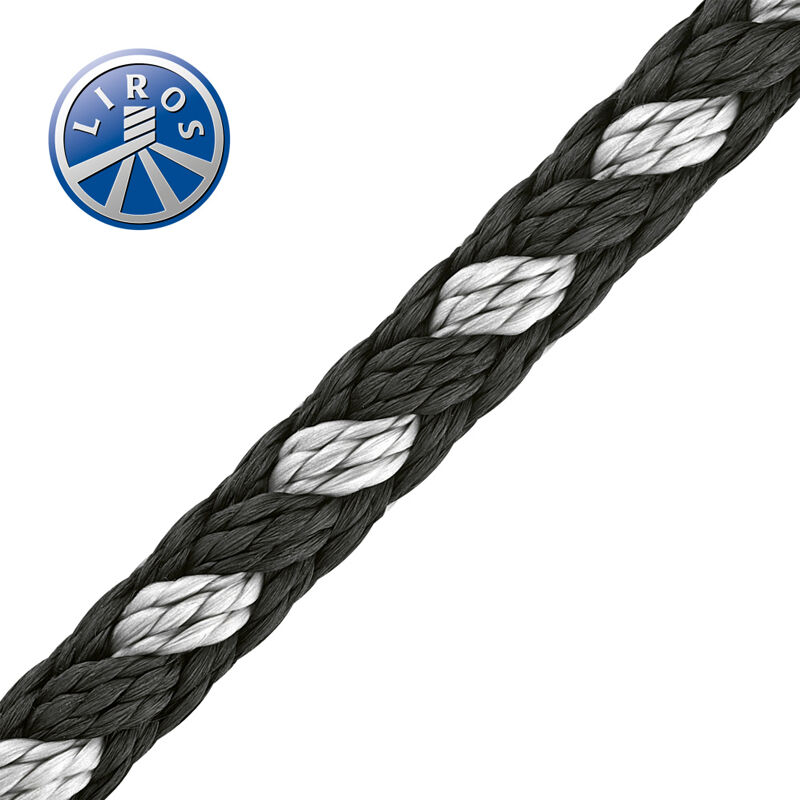


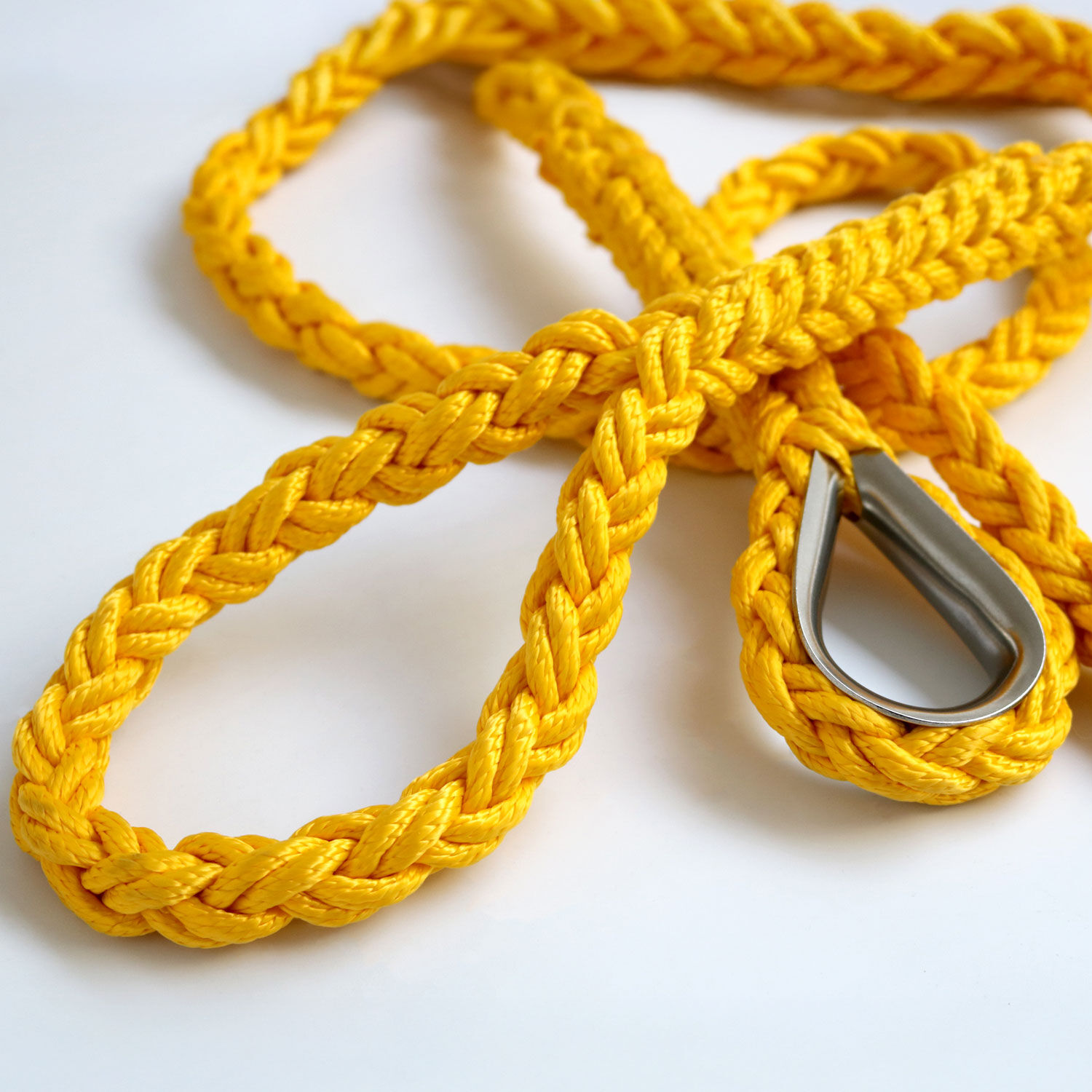


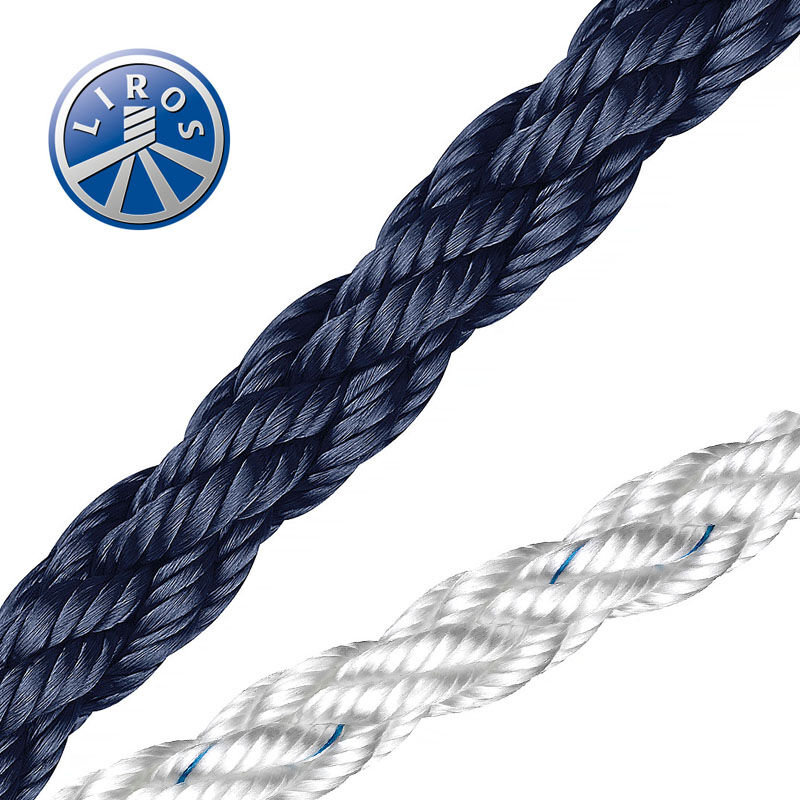


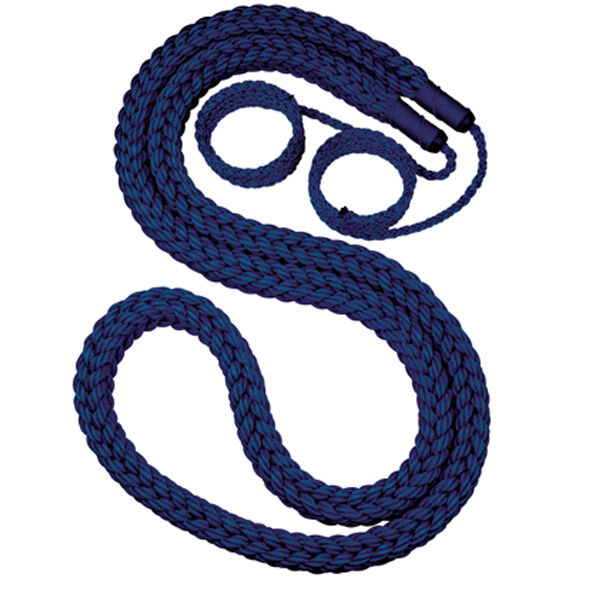
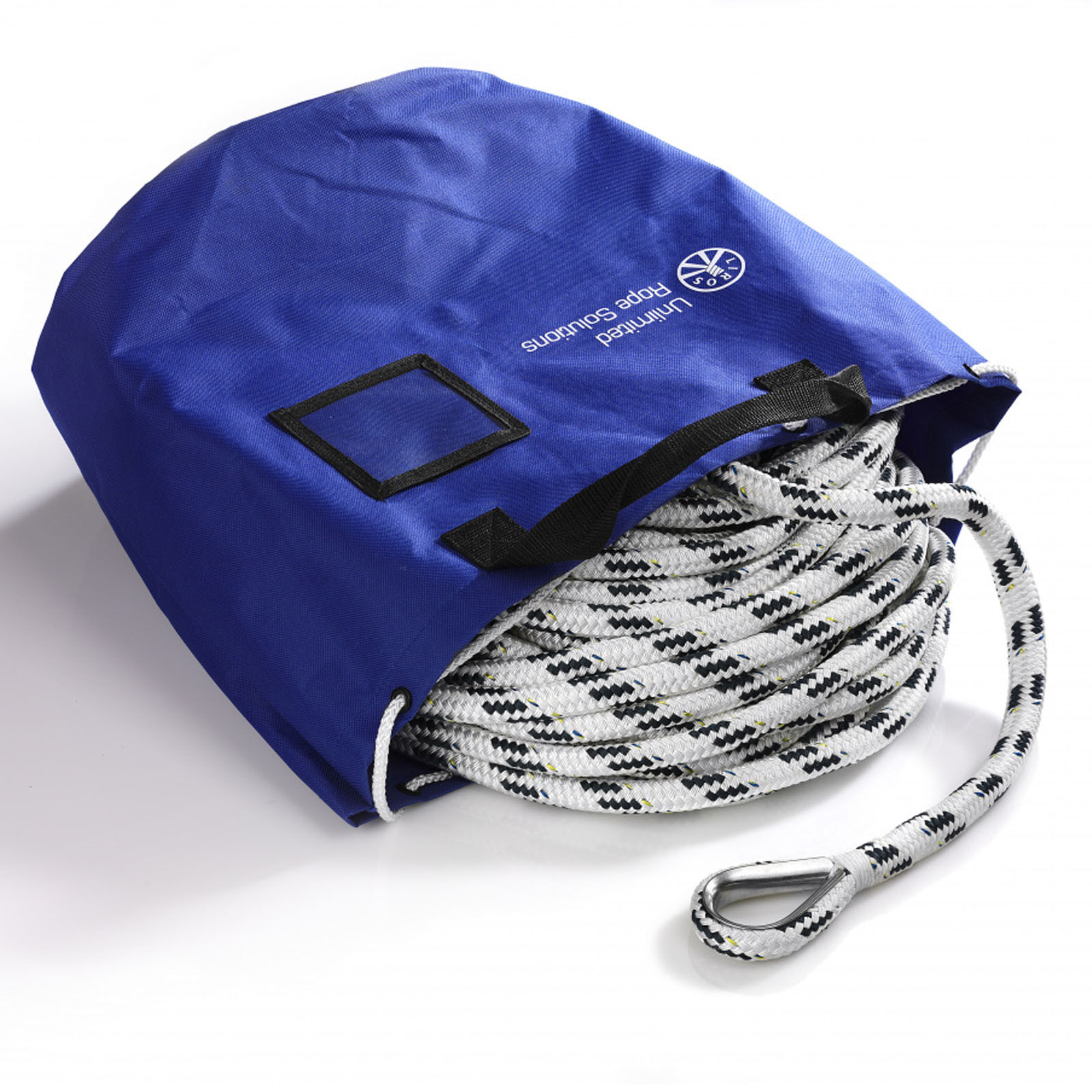












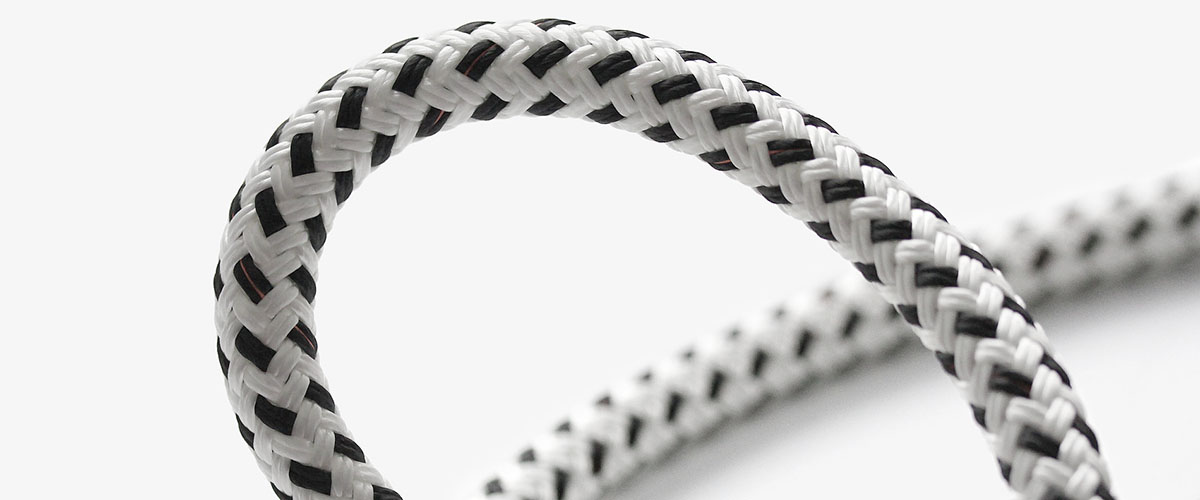
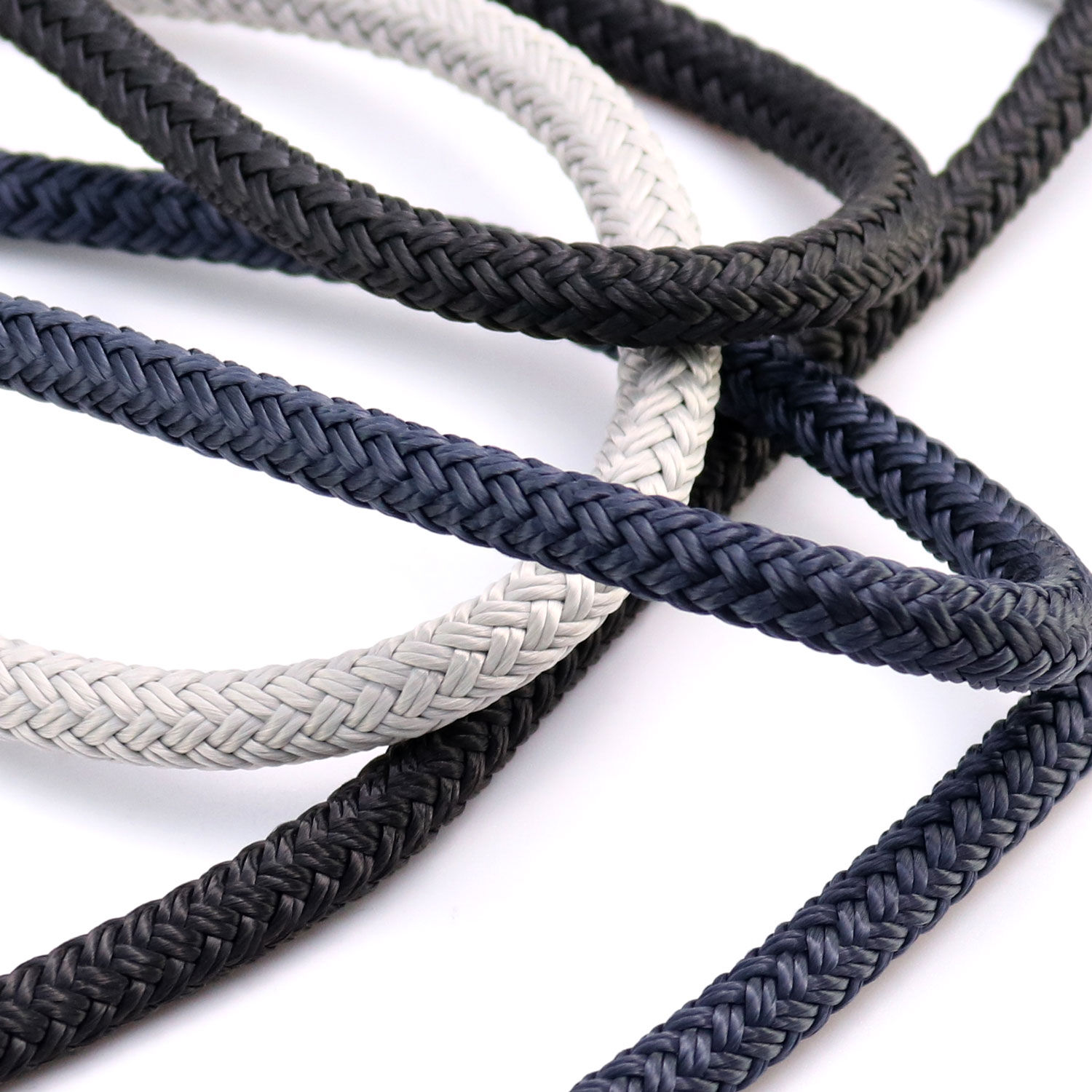
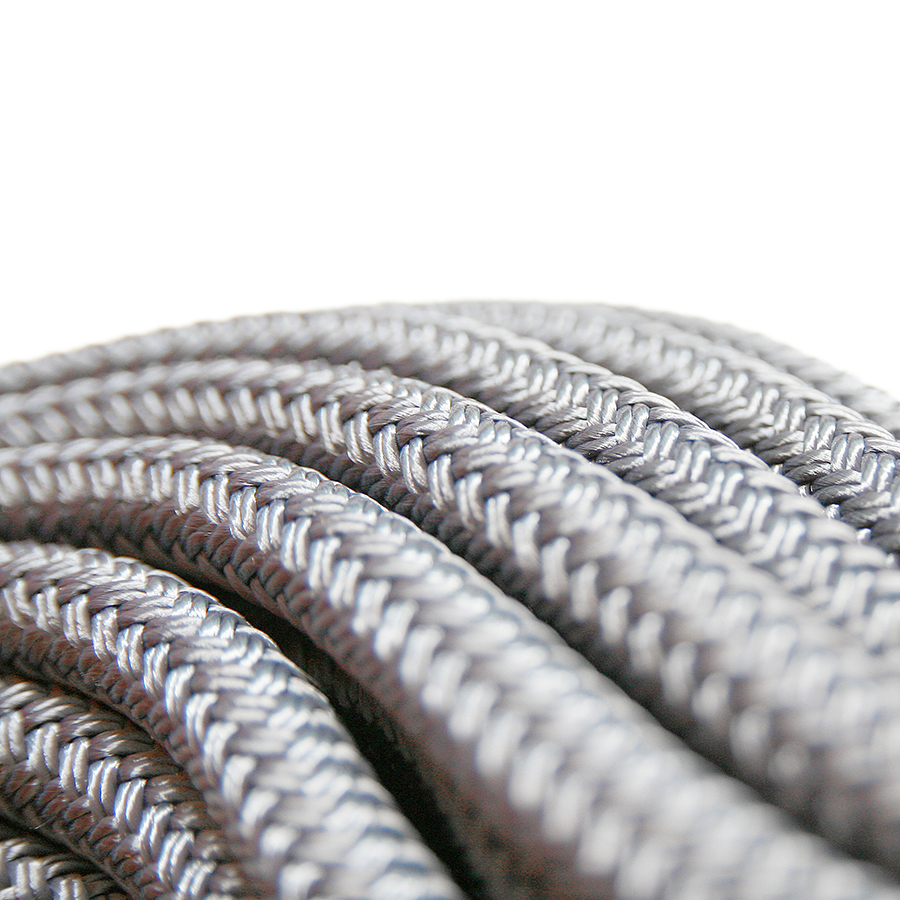
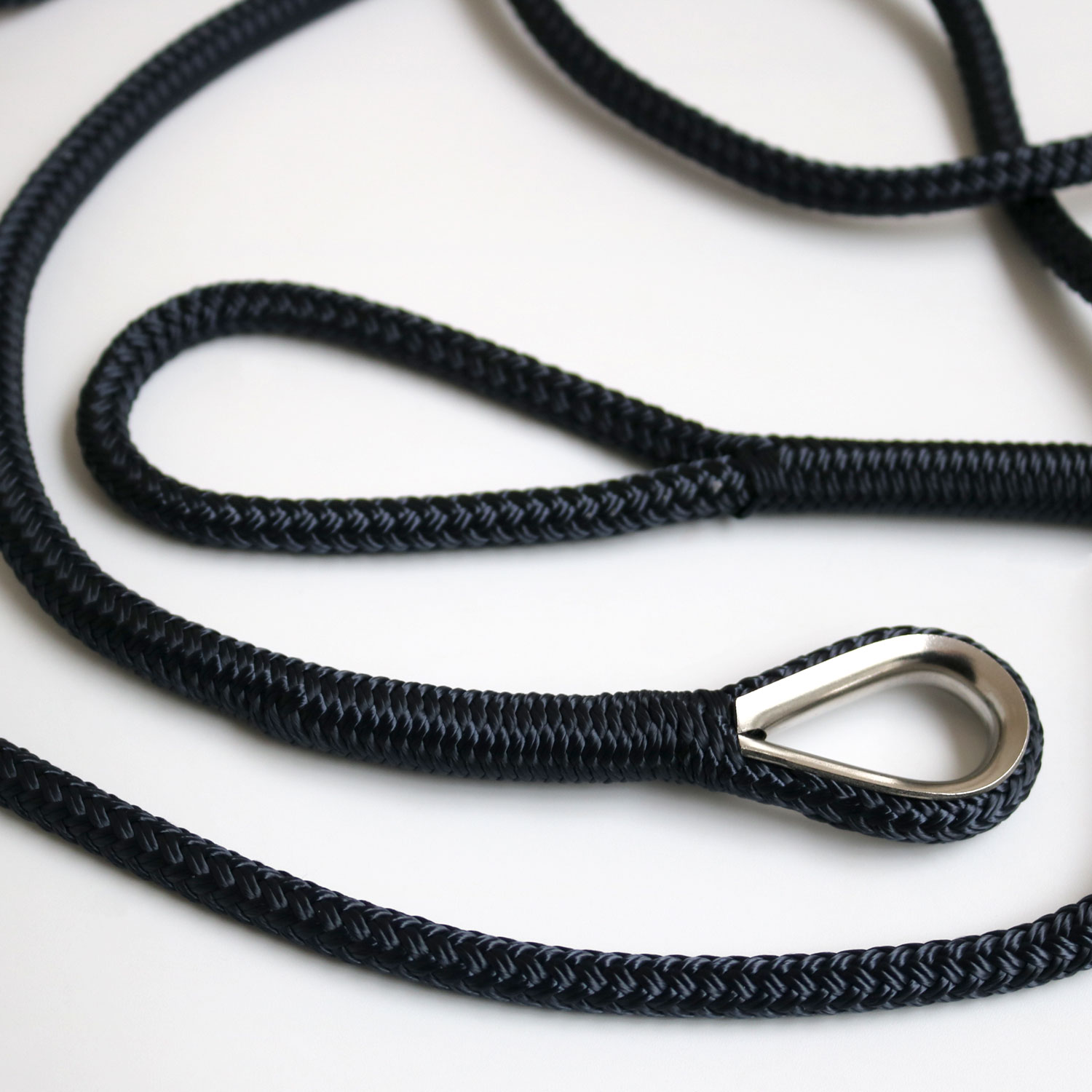
Mooring & Anchor Lines
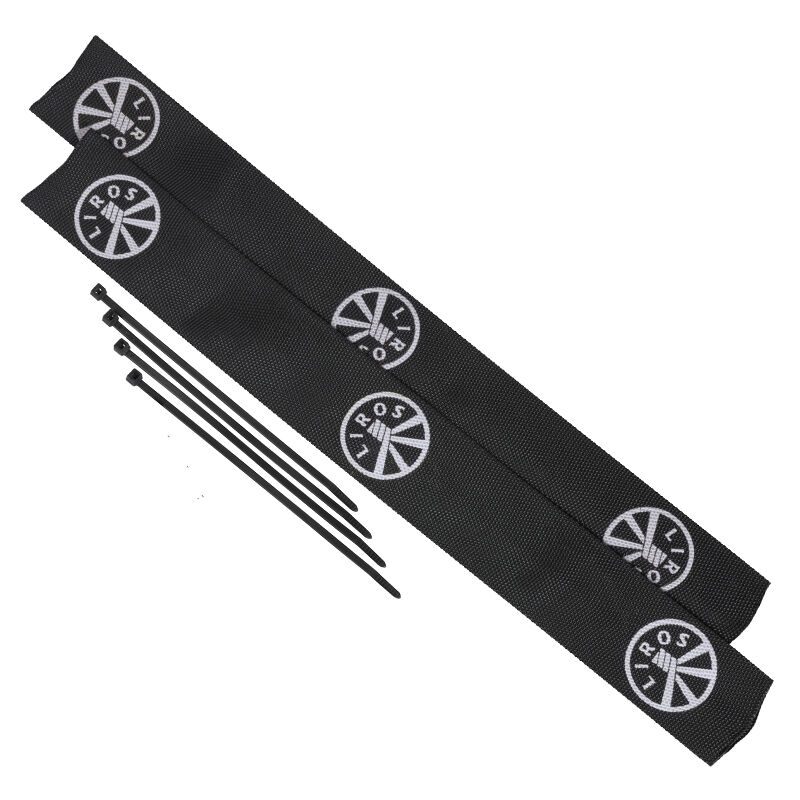
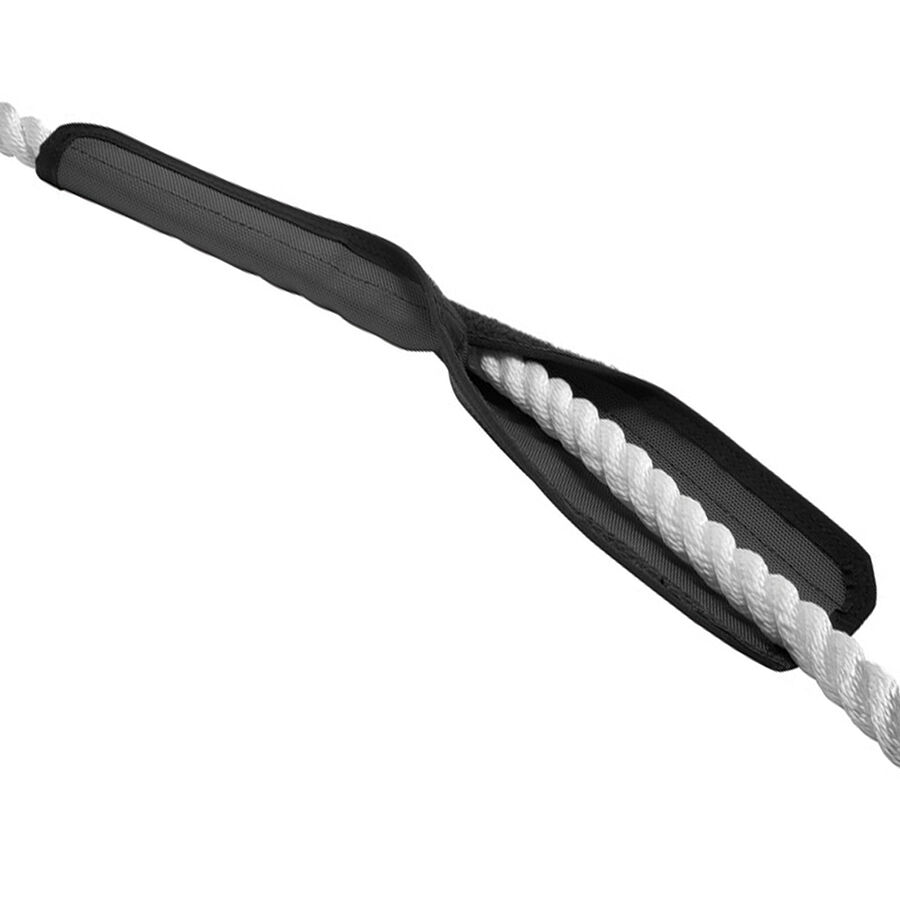
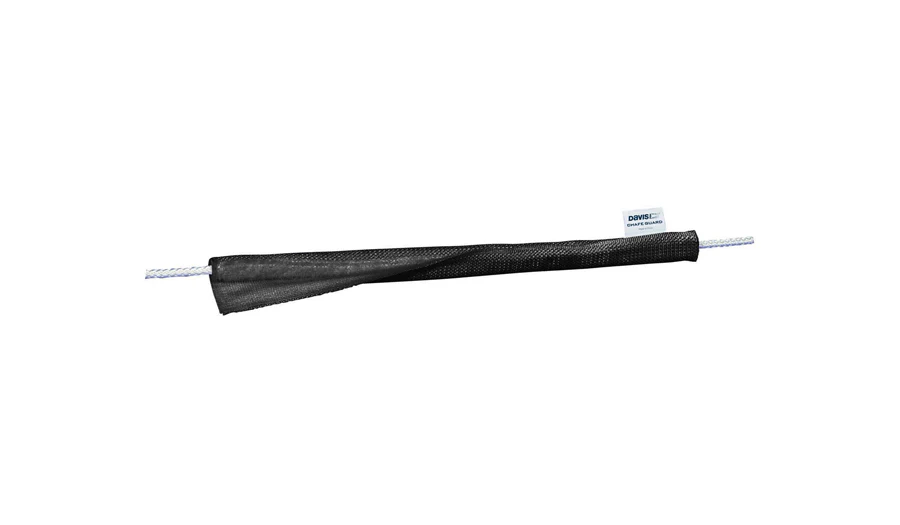
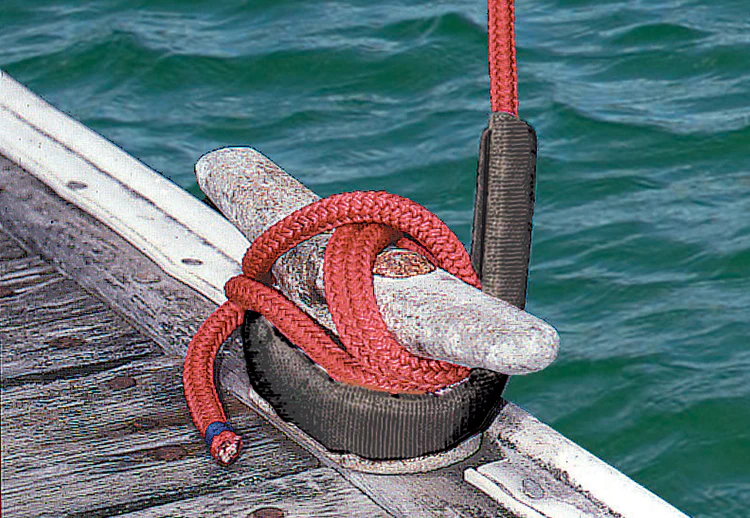
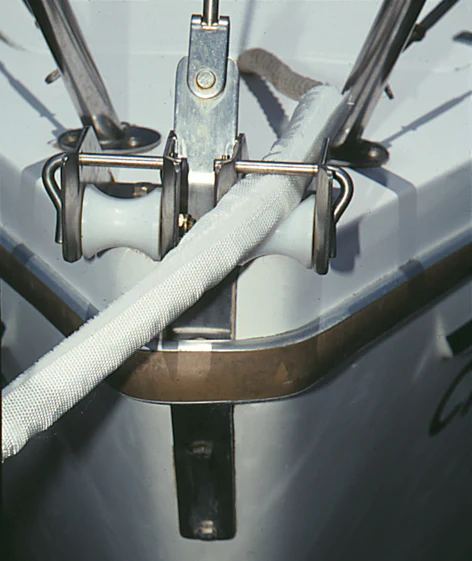
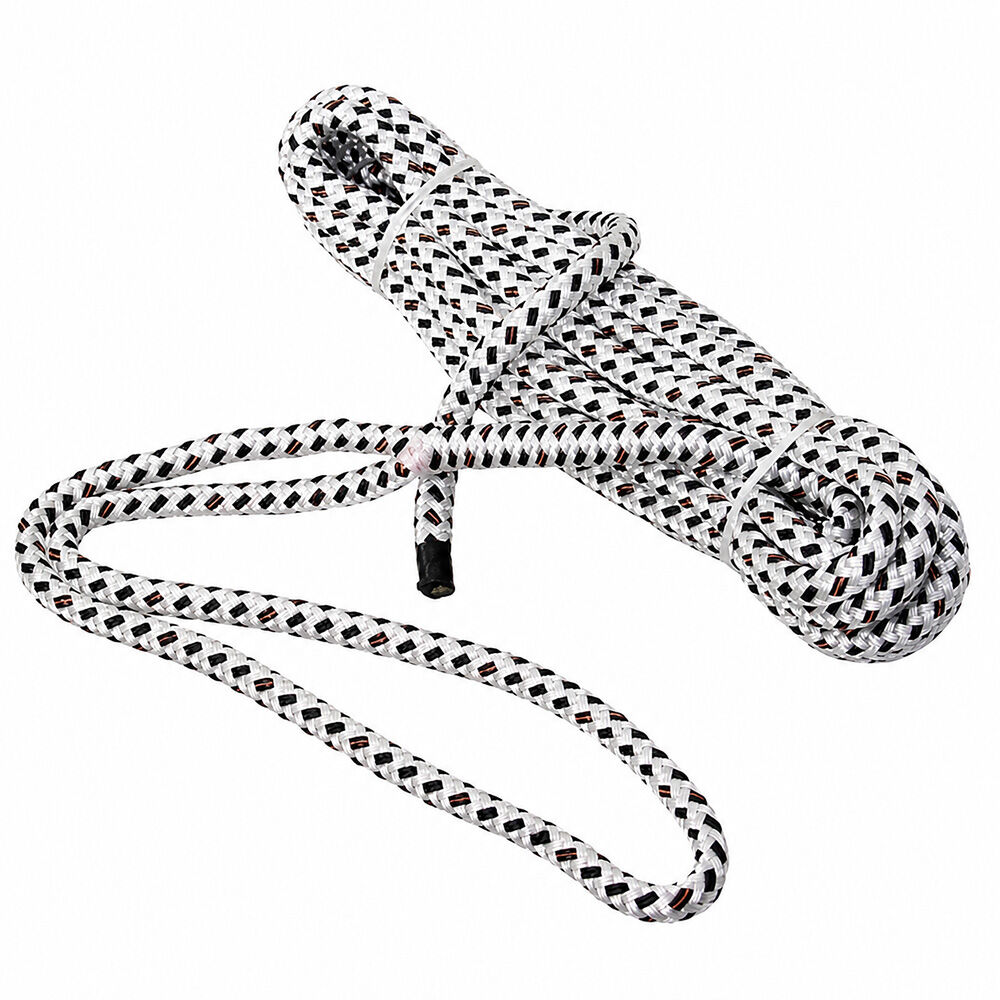
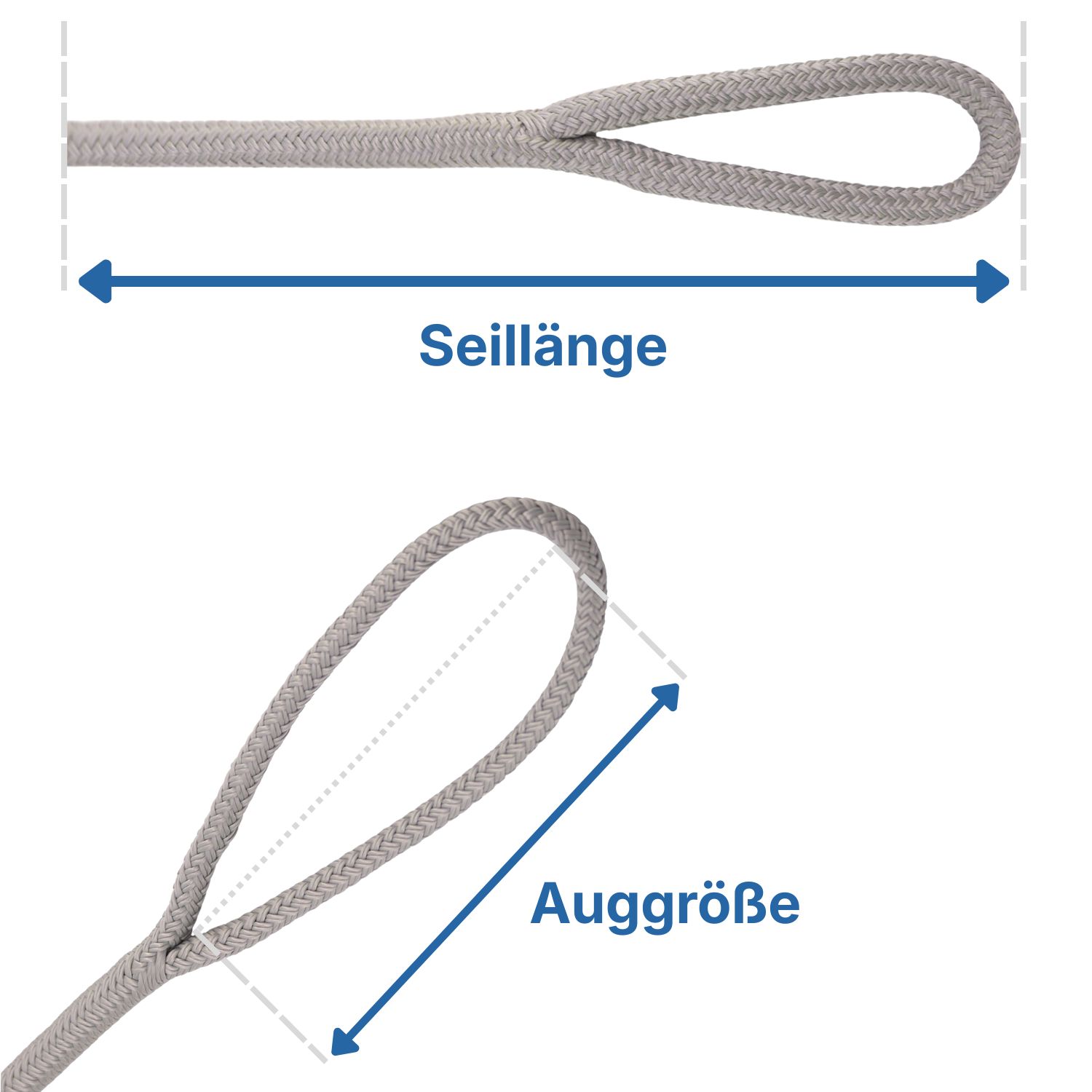
Every boat should be equipped with four mooring lines: two lines with a length of 1.5 times the boat length and two lines with a length equal to the simple boat length. We custom-make the mooring and anchor lines to your individual specifications, with options for eye splices, thimble splices, whippings, and chafe protection from our in-house workshop.
How long should a mooring line be?
Which material is best suited for mooring lines?
What diameter is needed for a mooring line?
What is the advantage of a spliced eye in a mooring line compared to a knot?
The Right Mooring Lines for Your Boat
Mooring lines ensure that your boat is securely fastened in the harbor, come wind or weather. It is important that they have a high breaking load and, above all, a high elasticity to compensate for boat movements and keep your boat securely at the dock. They should also be abrasion-resistant and UV-resistant, as they are exposed to challenging conditions such as weather, sunlight, storms, sharp edges, and saltwater. In the in-house workshop of the Hamburger Tauwerk Factory, our riggers have been splicing mooring lines for boats, yachts, and ships for decades. Each mooring line is spliced to your specifications and individual requirements. You can choose from various options such as eye splices, thimble splices, whippings, and additional chafe protection.
Don’t hesitate to contact us for custom orders.
How long should a mooring line be?
Every boat should have at least four mooring lines:
- 2 mooring lines, each 1.5 times the boat length
- 2 mooring lines, each the simple boat length

Polyamide (PA)
Polyamide fibers have the advantage of being highly elastic, UV-resistant, and extremely abrasion- and tear-resistant, making this material an excellent choice for mooring lines. The former issue of polyamide mooring lines becoming stiff quickly has been resolved through optimized material processing. You can purchase our Handy-Elastic mooring lines made from 100% polyamide here.

Polyester (PES)

Polypropylene (PP)
Polypropylene is especially suitable for mooring lines when buoyancy is required, as it is very lightweight. However, compared to polyester and polyamide, it has lower UV stability, abrasion resistance, and breaking strength. The advantage of a buoyant mooring line is that it cannot get caught in the boat's propeller. Discover our polypropylene mooring lines made from high-quality polypropylene multifilament here.
What Diameter is Needed for a Mooring Line?
Boat Length (ft) | 20-27 | 33 | 40 | 46 | 52-60 | 65-73 | 78-85 | 90-105 | 110-118 | 124-131 |
| Boat Length (m) | 6-8 | 10 | 12 | 14 | 16-18 | 20-22 | 24-26 | 28-32 | 34-36 | 38-40 |
| Displacement (t) | < 1 | 2 | 5 | 12 | 20 | 25 | 30 | 40 | 70 | > 80 |
| LIROS Porto (PES) | 10 | 12 | 14 | 18 | 18 | 20 | 22 | 24 | - | - |
| LIROS Handy-Elastic (PA) | 10 | 12 | 14 | 16 | 18 | 20 | 22 | 22 | 24 | 26 |
| LIROS Super Yacht Mooring (PES) | - | - | - | - | - | - | - | 24 | 24 | 28 |
| LIROS Squareline (PP) | 10 | 12 | 14 | 16 | 18 | 20 | 22 | 24 | 26 | 28 |
| LIROS Polyester (PES) | 10 | 12 | 14 | 16 | 18 | 20 | 22 | 24 | 26 | 28 |
The diameters of the various mooring lines are indicated in millimeters (mm)!
What Are the Advantages of a Spliced Eye in a Mooring Line Compared to a Knot?
A spliced mooring line offers numerous advantages over a knotted rope. While splicing only reduces the overall breaking strength by about 10%, a knot can significantly reduce it, often by as much as 50%.
A splice is particularly effective and reliable because it joins both the inner core and the outer sheath of the rope. This technique ensures that the load is evenly distributed across both parts of the rope, thus preserving nearly the original breaking strength. In contrast, a simple knot primarily strains the sheath, significantly reducing the rope's load-bearing capacity. The core-sheath splice integrates both structures, making the mooring line not only safer but also more resilient and durable.